Trail hunting Ban in England and Wales is under the government’s new animal welfare strategy. The announcement will come on Monday.
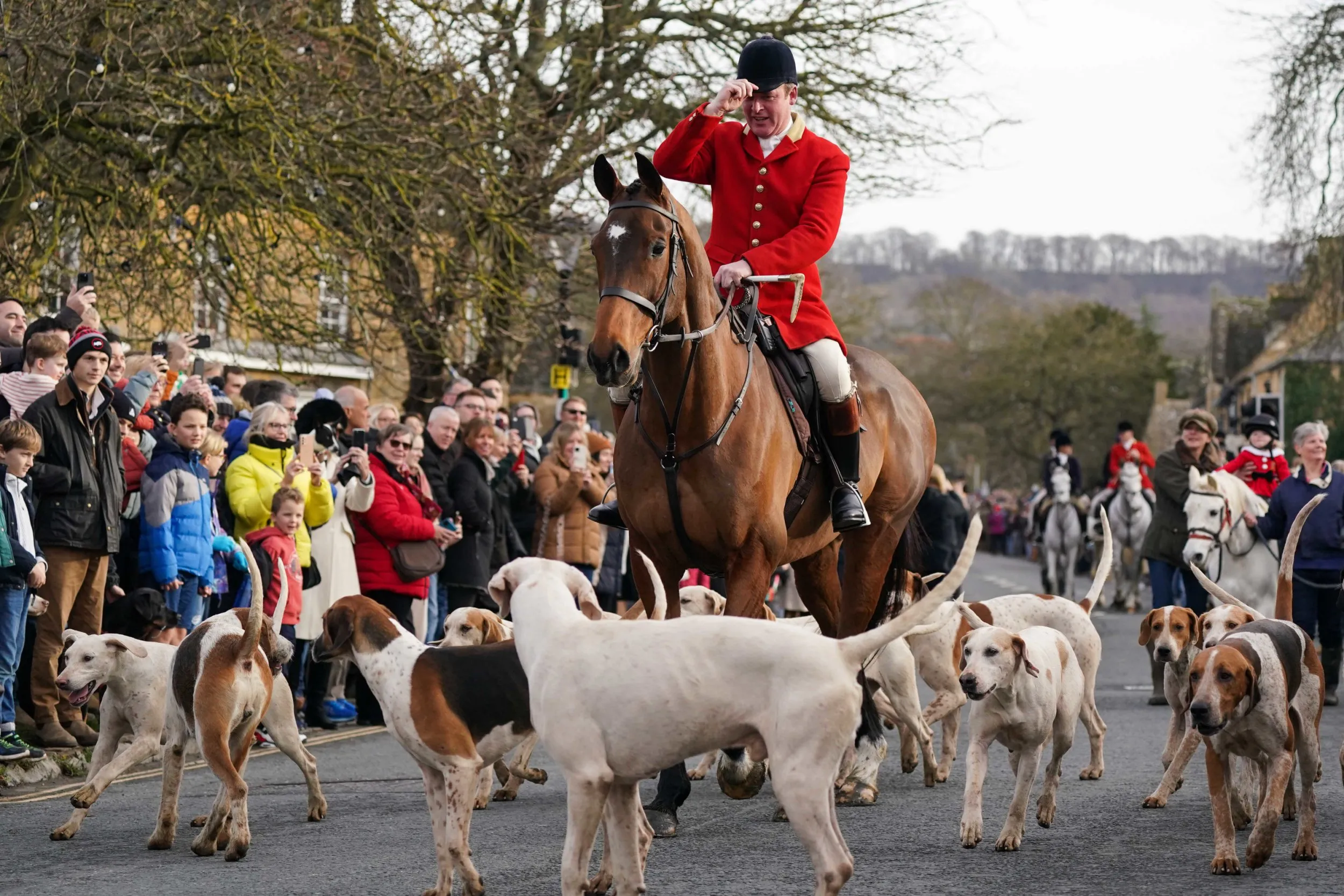
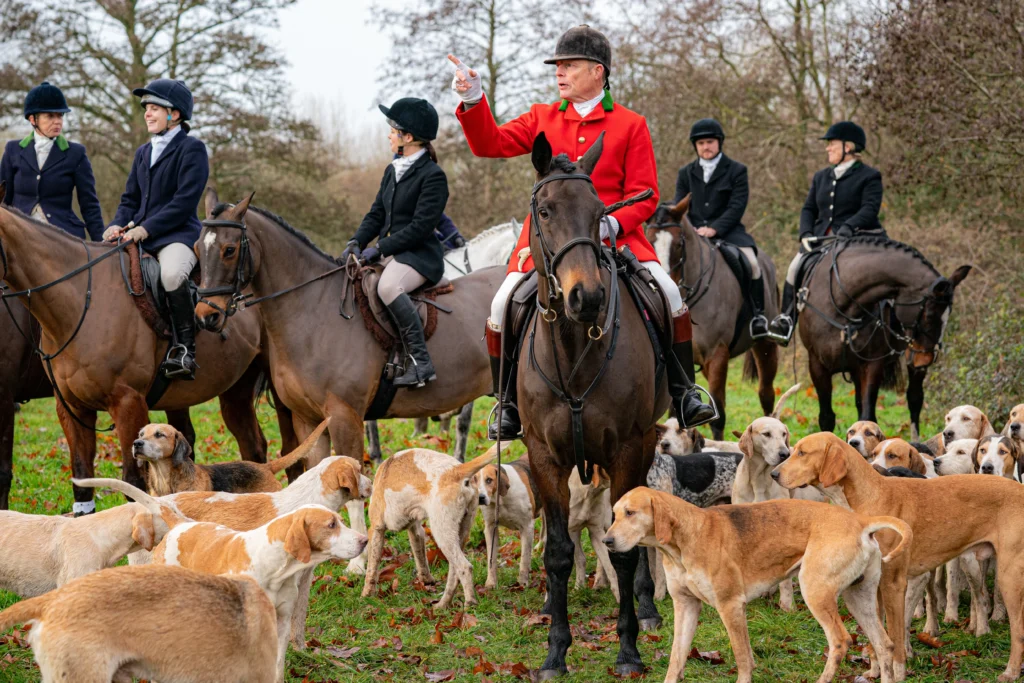
In this activity, hunters lay an animal-based scent trail for dogs instead of pursuing a real animal. Then, riders follow the pack on horseback. Despite appearances, no animals face direct harm during these events.
The practice has stayed legal since the 2004 hunting ban because it does not involve killing animals explicitly. However, the government now plans to close this loophole.
Officials say they aim to fulfill a manifesto promise and stop a practice sometimes used as a “smokescreen” for illegal hunting. Moreover, they argue that the ban strengthens animal protection laws.
On the other hand, hunting and countryside groups warn that the ban may harm rural communities. They claim the government’s move could affect local jobs and traditional countryside practices.
Overall, the decision sparks debate between animal welfare advocates and rural stakeholders. Nevertheless, the government emphasizes public safety and ethical hunting practices.
The government has confirmed it will move forward with banning trail hunting across England and Wales.
Meanwhile, trail hunting supporters insist the sport remains vital to rural life and local economies.
Hunting with hounds has been a traditional activity in parts of the UK for centuries. However, the 2004 Hunting Act already placed strict restrictions on this practice.
Specifically, the act prohibits using dogs to hunt wild mammals, including foxes, hares, deer, and mink.
Trail hunting allows hounds to follow a scent trail, usually a rag soaked in animal scent. This method aims to replicate traditional hunting without harming wildlife.
Recently, the League Against Cruel Sports reported nearly 1,600 hunting-related incidents last season. Among them, 397 involved foxes being chased.
However, Countryside Alliance CEO Tim Bonner criticized renewed government attention on trail hunting. He called it “completely unnecessary” and a waste of parliamentary time.
Bonner argued that the issue was settled 20 years ago, yet political parties continue to revisit it unnecessarily.
He also highlighted Labour’s strained relationship with rural voters. Many rural residents feel the party ignores their communities while targeting traditional activities.
The British Hound Sports Association (BHSA) previously emphasized trail hunting. They said it supports both rural economies and participants’ mental and physical well-being.
One farmer told the TahsiensWorld that rejecting hunting publicly could lead to social shunning. They argued that banning trail hunting reinforces the belief that urban values override rural life.
Ministers plan to consult the public on the ban in the new year. Baroness Hayman stated the government intends to follow through on its manifesto promise.
She added that some trail hunting events might disguise illegal hunting of wild animals. Therefore, the ban aims to protect wildlife and enforce ethical practices.
Conservative chairman Kevin Hollinrake criticized the plan, calling it an “attack on rural Britain and British culture.” Similarly, Nigel Farage labeled Labour as “authoritarian control freaks.”
Currently, trail hunting is already banned in Scotland, while hunting with dogs remains legal in Northern Ireland. The government’s consultation will determine the final steps.